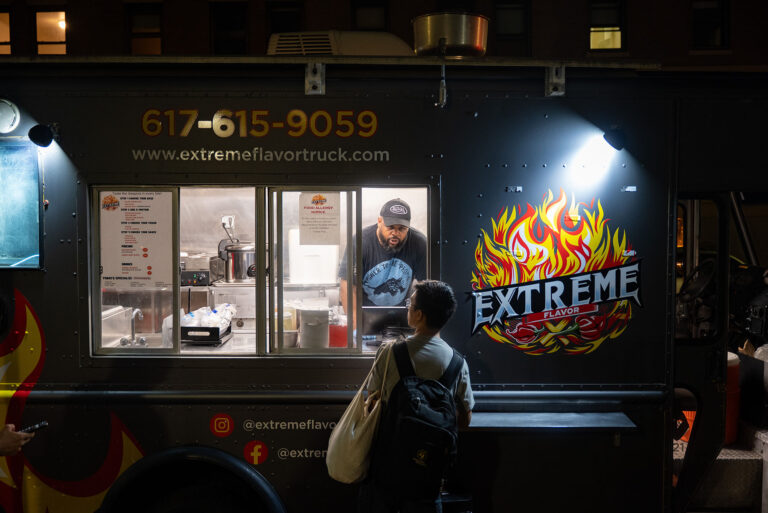
Boston has never had much of a reputation as a fun city, and we hate to say it but the receipts back that up. Tattooing was banned outright in 1962 amid hepatitis scares and wasn’t legalized again until 2000. Happy hour has been banned statewide since 1984, a Reagan-era crackdown on drunk driving that never got repealed even as most other states quietly brought discounted drinks back. Combine that with one of the earliest “last call” times of any major American city – 2 a.m. – and you get a place that, fairly or not, built a national reputation as a city that turns in early.
That reputation may finally be catching up to the calendar. The 2026 FIFA World Cup brought a temporary pilot program letting bars stay open later to accommodate visiting fans – and now Boston City Councilor Brian Worrell has filed a measure that would make it permanent, allowing bars and restaurants across the city to sell alcohol until 3 a.m. year-round.
For bars and late-night venues, the upside is obvious: an extra hour (or more) of the highest-margin part of the night is good business, full stop. But the more interesting question for us – what this means for the food businesses that live in a bar’s orbit.
Why This Is Actually a Food Story
Later closing times don’t just mean more drinks sold. They mean more hours of hungry people wandering around a city, and that’s where small food businesses come in.
Food trucks are the biggest winners. Food trucks already thrive in the liminal hours bars can’t or won’t serve. Every extra hour a bar stays open is an extra hour trucks can legally and profitably park nearby. A 3 a.m. close doesn’t just shift the bar’s revenue window – it could shift the entire late-night food ecosystem’s window right along with it. And late-night crowds tend to crave bolder, more intense flavors – the loud, spicy, umami-heavy stuff that hits harder after a few drinks – which gives trucks running bolder or fusion menus a real edge over a standard bar-food spread.
Not everyone in the industry is convinced the extra hour changes much, though. One food biz owner who asked to remain anonymous, was skeptical that a later close would meaningfully grow demand rather than just spread it out: “We’ll probably do the same sales as if we were open at 2am.” It’s a fair point – an extra hour on the clock doesn’t guarantee an extra hour of hungry customers, especially if the same crowd is just staying out later rather than a genuinely new crowd showing up.
However, CWK’s Shared Kitchen Operations Manager, Daryl Moore, offers a different angle – “Boston’s a major city and we’re mostly known for sports. We also have a ton of food options and this later time could help get these diverse food options in front of others.”
Late-night kitchens get new life. Small restaurants and diners that currently shutter at 1 or 1:30 a.m. because there’s no foot traffic left to justify staying open suddenly have a reason to stretch their hours too. A kitchen that closes because the streets go quiet at 2 a.m. behaves very differently when the streets stay lively until 3:30 or 4.
Delivery and ghost kitchens benefit too. Late-night delivery demand tends to track directly with how late people are out and about. More time on the streets means more patrons placing orders for a cheese burger at 2:45am.
It could reshape permitting and staffing conversations. If Worrell’s bill passes, small food operators may find themselves rethinking staffing models, food truck permits, and even city zoning around “entertainment districts” – all of which currently assume a city that shuts down early.
Boston’s Puritan hangover might finally be lifting. Whether this becomes a permanent structural shift or stalls out in committee is the question – and in the meantime, we and our members are watching closely.
If you’d like to discover more of these food options click the button below.