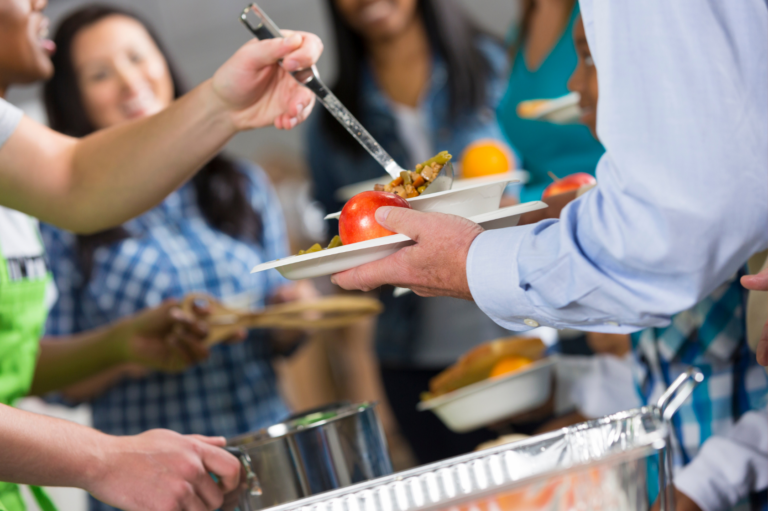
For more than 1 million Massachusetts residents, having enough food to get through the week is not a given. The cost of living keeps climbing faster than paychecks, and even families who are working full time are finding that groceries take up more of the budget than they used to.
For families already stretching every dollar, an unexpected bill or a slow week at work can mean skipped meals. This is where community-based food organizations become essential.
That’s the thinking behind our Common Table initiative. Rather than treating food insecurity and economic opportunity as separate problems, Common Table connects the dots: meals produced in CWK’s commercial kitchen space – often by the same food entrepreneurs we work with to launch and grow – go directly to neighbors who need them. It’s a model that keeps dollars circulating locally, supports small food businesses (many of them immigrant- and women-owned), and gets fresh, healthy meals to families in the same communities where those businesses are rooted.
Our partnership with the YMCA of Greater Boston is a good example of how that model works in practice. Just last week, through the CommonTable Fund, we donated three pallets of arepas from CWK Member Collective, Magic Empanadas, where nutritious, culturally-relevant food headed straight into programs serving kids and families across the city.
Ending hunger in Massachusetts will take investment and policy change at every level of government. But initiatives like Common Table are proof that local action doesn’t have to wait for that to happen. If you’d like to help make sure fewer families fall through the cracks, you can support Common Table directly by clicking the button below. Every little bit helps.